Yelp's Review Solicitation Rules Every Business Owner Needs to Know
The Policy That Gets Businesses in Trouble
Yelp is the platform home service business owners most commonly violate without realizing it. A well-intentioned owner decides they want more Yelp reviews, hands out cards asking customers to leave one, sends a batch email, or offers a small discount for a review. Within weeks, their Yelp profile is hit with a Consumer Alert — a 90-day public warning that tells every visitor the business has been caught manipulating reviews.
The issue isn’t that these business owners are dishonest. It’s that they don’t realize Yelp’s rules are fundamentally different from Google’s. What works on Google gets you penalized on Yelp. Let’s walk through Yelp’s review solicitation rules in detail so you know exactly what’s prohibited, what’s allowed, and how to build a clean Yelp profile without triggering their enforcement systems.
The “Don’t Ask for Reviews” Policy Explained
Yelp’s core solicitation rule is called the “Don’t Ask for Reviews” policy. It prohibits business owners and their employees from requesting reviews from customers in any form. The reasoning behind the policy is that Yelp wants reviews to reflect organic, unprompted customer opinions — not reviews generated because a business actively pushed for them.
This philosophy differs sharply from Google’s, which treats review solicitation as a normal part of running a business. Yelp considers any solicitation a form of manipulation, regardless of how polite or non-coercive the ask was. That includes requests made to happy customers, requests made in passing, and requests made via any channel.
The policy applies to:
- Business owners directly
- All employees, regardless of role
- Third-party marketing companies working on behalf of the business
- Automated systems sending review requests
- Family members or friends asked to leave reviews on behalf of the business
Essentially, any organized effort to push customers toward writing a Yelp review violates the policy.
What Specifically Is Prohibited
The practices Yelp explicitly prohibits include:
- Asking in person — “Would you mind leaving us a review on Yelp?”
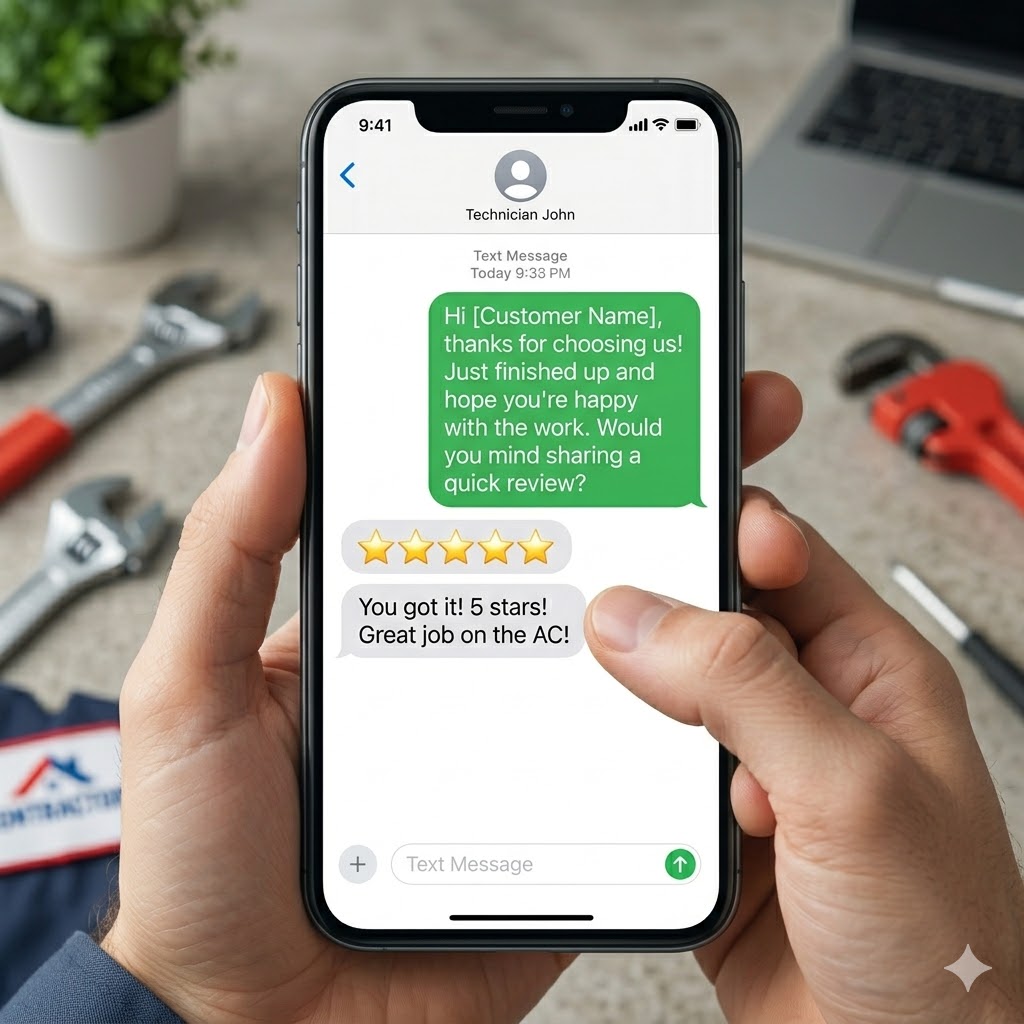
- Direct text messages or email requests referencing Yelp
- Phone call requests asking for Yelp reviews
- QR codes or cards directing customers specifically to Yelp
- Offering any incentive (discount, gift, cash, service credit) for a Yelp review
- Bulk email campaigns asking past customers to leave Yelp reviews
- “Review us on Yelp” buttons in marketing materials or receipts that prompt action
- Having employees or family leave reviews to inflate the count
The policy is enforced largely through automated pattern detection. Yelp’s software monitors review velocity, reviewer profile patterns, content similarity, and external signals to detect solicitation campaigns. When it spots one, it filters the affected reviews out of your public count and, in severe cases, posts a Consumer Alert on your business page.
What Is Actually Allowed
Yelp does allow several passive signals that let customers know you’re on the platform without actively requesting reviews:
- “Find us on Yelp” signage in your physical location (no “please review us” language)
- A Yelp link in your website footer or email signature
- A Yelp badge on your website showing your current star rating
- Organic mentions of Yelp in conversations where a customer brings it up first
- Your own business-owner responses to existing Yelp reviews, which are encouraged
The principle: you can make it easy for customers to find your Yelp page. You cannot push them toward leaving a review there.
How Yelp Detects Violations
Understanding how Yelp catches solicitation helps you avoid triggering their systems:
Review velocity analysis — if your review count jumps suddenly after months of slow growth, Yelp flags the spike and investigates whether it was prompted.
Reviewer behavior patterns — reviews from accounts that haven’t reviewed anything in months, or from brand-new accounts, get weighted as suspicious and often filtered.
Geographic patterns — if a cluster of reviews comes from IP addresses near the business location (employees or family), the algorithm notices.
Content similarity — reviews with similar phrasing, structure, or vocabulary may indicate coordinated solicitation.
External reporting — customers sometimes report businesses that solicited reviews, which triggers a manual investigation.
When Yelp detects solicitation, the most common outcome is simply that the reviews get filtered and don’t appear in your public count. Your total “5-star rating” stays the same, but the review number stagnates mysteriously. Repeat violators get a Consumer Alert.
The Consumer Alert: What Happens and How Long It Lasts
A Consumer Alert is Yelp’s nuclear option. It’s a bright red warning banner posted on the top of your business page stating something like “We’ve caught someone red-handed trying to pay for reviews on this business.” It stays posted for 90 days minimum and is visible to every single visitor.
The damage isn’t just cosmetic. Customers who see a Consumer Alert overwhelmingly skip that business. Search rankings within Yelp drop significantly. Existing reviews get more heavily filtered. It takes months to recover even after the alert is removed, and the business’s reputation on Yelp may never fully return to its pre-alert level.
Avoiding the alert is always cheaper than recovering from one.
The Smart Compliant Strategy
Here’s how to build Yelp presence without triggering any enforcement:
- Focus direct solicitation effort on Google where it’s permitted and welcomed
- Respond to every Yelp review you do receive — positive, negative, or neutral
- Add “Find us on Yelp” passive signage in appropriate locations
- Link to your Yelp page in website footers and email signatures
- Let Yelp reviews accumulate organically over time
- Monitor Yelp activity so you know what’s being said and can respond quickly
A good reputation management system automates the compliant parts — monitoring Yelp for new reviews, responding to them, and keeping your profile updated — without ever crossing into active solicitation that would violate Yelp’s rules.
The Bigger Picture
Yelp is a smaller ranking factor than Google for most home service businesses. Don’t let concerns about Yelp growth push you into policy violations. A clean, slowly growing Yelp profile with 30 organic reviews is far better than a flagged Yelp profile with 120 filtered reviews and a Consumer Alert.
Focus aggressive review-building on Google. Keep Yelp clean. Let automation handle the day-to-day monitoring and responding across both platforms. That’s the formula that stays compliant while still building a dominant multi-platform review presence.
Tired of Asking for Reviews and Getting Ignored?
Your AI-powered reputation management system sends review requests via SMS, email, and voice — then follows up until the review is captured. Every customer. Every time. Start dominating local search →
