Google Reviews vs. Yelp Reviews: What You Can Ask For (And What You Can't)
Two Platforms, Two Rulebooks
Most home service businesses treat Google and Yelp the same way: try to get as many reviews as possible on both. The problem is that Google and Yelp have radically different rules about how you’re allowed to ask for reviews — and violating Yelp’s rules can get your reviews filtered, your profile flagged, and a public “Consumer Alert” warning posted on your business listing for 90 days.
Understanding the rules of each platform isn’t optional. It’s the difference between building a clean, compliant review profile that grows month after month and accidentally torching your Yelp reputation while trying to improve it. Let’s break down exactly what you can and can’t ask for on each platform.
Google: The Permissive Platform
Google’s review policies are relatively friendly to businesses actively soliciting feedback. Within reason, you’re allowed to:
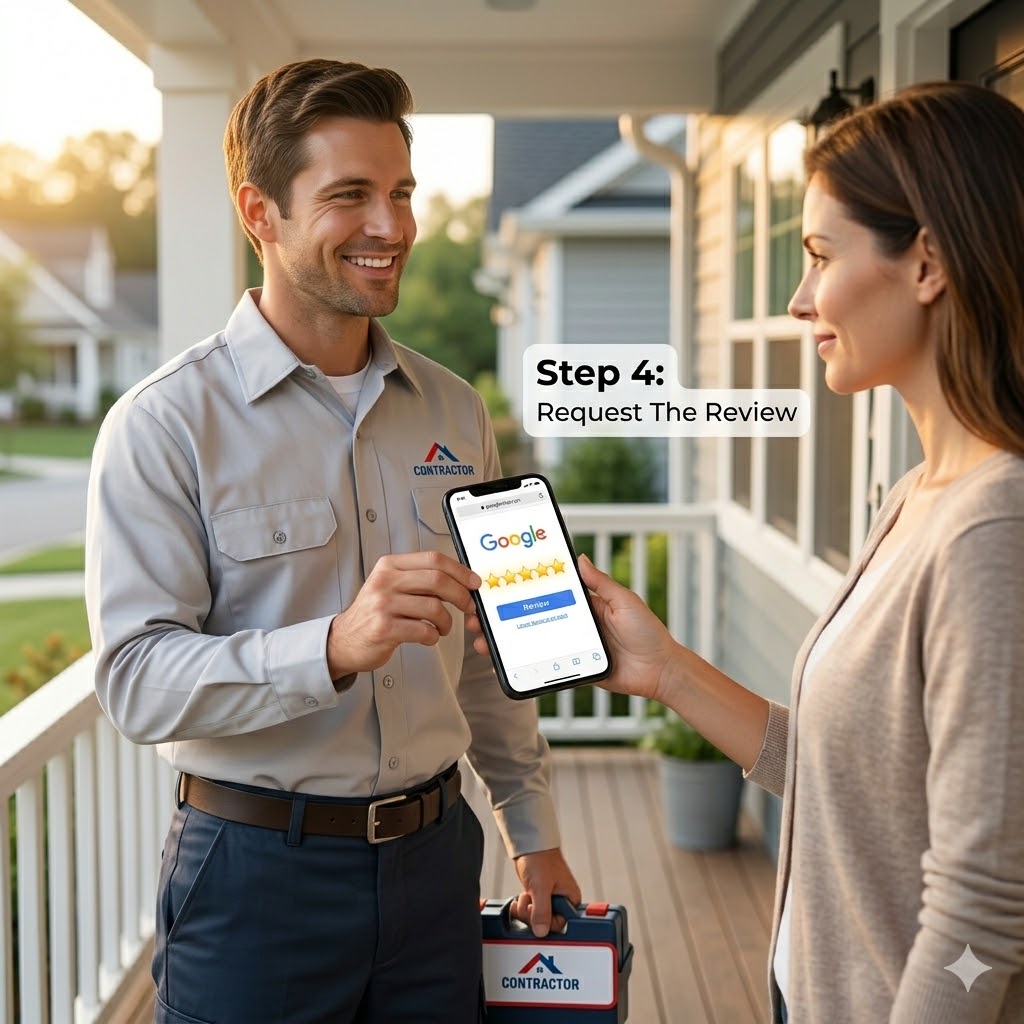
- Ask customers directly for reviews, in person, via text, email, or phone
- Send a direct link to your Google review form
- Follow up if a customer doesn’t leave a review on the first ask
- Use QR codes, signage, and email templates to make the ask easier
- Send bulk email campaigns asking past customers for reviews
- Respond publicly to every review you receive
The one hard line Google draws is around review gating — filtering happy customers to public review forms while routing unhappy customers to private feedback channels. That practice is banned and can result in reviews being removed or your Google Business Profile being suspended. You’re also prohibited from offering incentives (discounts, gift cards, cash) in exchange for reviews, which also violates FTC rules.
Outside those two boundaries, Google essentially encourages businesses to pursue reviews actively. Google review management automation that sends requests to every customer after every job operates well within Google’s guidelines as long as the requests aren’t filtered by satisfaction.
Yelp: The Strict Platform
Yelp operates on a completely different philosophy: they believe review solicitation corrupts the organic nature of reviews, and they’ve built their policies around actively discouraging it. Yelp’s “Don’t Ask for Reviews” policy states clearly that businesses should not ask customers for reviews, period.
Here’s what Yelp’s rules actually prohibit:
- Sending a direct review request via text, email, or phone
- Handing customers a card or QR code directing them to your Yelp page
- Asking in person for a Yelp review
- Incentivizing reviews in any form
- Having employees leave reviews or ask family and friends to do so
And here’s what Yelp allows:
- Passive signage that includes “Find us on Yelp” without explicitly asking for a review
- A link on your website or email signature pointing to your Yelp page
- Organic reviews from customers who find you on Yelp or decide to leave feedback on their own
Violating Yelp’s solicitation policy has real consequences. Yelp’s automated software detects review spikes from business solicitation and filters those reviews out of the visible count. Repeat violations trigger a public “Consumer Alert” on your business profile — a bold red warning visible to every visitor for 90 days, stating that your business has been caught trying to manipulate reviews.
Why the Platforms Differ
Google sees reviews as a core utility that helps users find the best businesses, and considers active solicitation a normal part of running a customer-focused company. Yelp sees reviews as journalism — organic commentary that loses its integrity if businesses are pushing customers toward or away from writing.
Neither philosophy is wrong. But they require different strategies from the business owner. You can’t run the same review request campaign on both platforms and expect good results — in fact, you’ll likely damage your Yelp standing while improving your Google standing.
The Compliant Two-Platform Strategy
Here’s how smart home service businesses handle both platforms simultaneously without running afoul of either set of rules:
- Actively solicit Google reviews via SMS, email, and in-person asks after every job — compliant with Google, high volume
- Passively signal Yelp presence via “Find us on Yelp” stickers, website links, and organic customer pathways — compliant with Yelp
- Never directly ask for a Yelp review — let organic reviews come from customers who find you on Yelp or choose that platform themselves
- Respond to every review on both platforms — this is encouraged on both and builds credibility
The result: a strong, growing Google review profile that handles the SEO heavy lifting, plus a clean Yelp profile that doesn’t get filtered or flagged.
How Automation Handles the Difference
A sophisticated online review automation platform respects these different rules by default. When configured correctly, it:
- Sends direct review requests to Google (where solicitation is permitted)
- Routes customers to the Google review link specifically (not Yelp)
- Displays passive Yelp signals on website and email footers (not active solicitation)
- Monitors Yelp organically for new reviews
- Responds to reviews on both platforms automatically
This is actually where manual systems often get businesses in trouble — a well-meaning owner decides to email every customer asking for a Yelp review, and three months later gets hit with a Consumer Alert. Automation that knows the rules prevents those accidents by default.
The Takeaway
Google rewards active review solicitation. Yelp punishes it. Your strategy for each platform has to match the rules of that platform, not a generic “let’s just ask for more reviews” approach that treats them identically.
The businesses dominating local search in 2026 are the ones that figured out how to build Google reviews aggressively while keeping Yelp clean — and automated review systems that respect each platform’s rules are what make doing both simultaneously possible.
More Reviews. More Revenue. Zero Manual Work.
Every review you miss is a customer going to your competitor. Reviews Dominator handles the entire review lifecycle — from request to response to remarketing — so you never lose another opportunity. Schedule a demo today →
